Keep Shared Play Going Indoors
When unyielding rainstorms or seasonal illnesses pin your household inside, the temptation is to surrender to passive screens. A dependable collection of low-mess tactile games keeps family energy collaborative and calm.
Transforming Living Spaces Without Leaving Chaos
The dread many parents experience when planning indoor games is the cleanup afterward. Elaborate glitter projects or sprawling slime experiments often cause more stress for the adults than joy for the young makers.
Our indoor fieldbook relies on dry materials: masking tape (which peels off hardwood and carpet cleanly), standard shipping cartons, cotton blankets, and recycled paper. These projects encourage structural problem-solving and storytelling while remaining rapid to pack away.
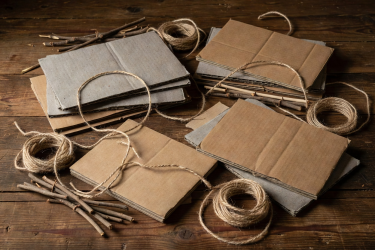
Gravity Marble Rollercoaster
Slice cardboard parcel boxes into U-shaped gutters. Using blue painter's tape, mount them along sofa arms, dining chairs, and low bookshelves to design a branching run for marbles or wooden beads.
Science Hook: Challenge older children to introduce a friction trap (such as a scrap of felt) that slows down the marble without stopping it completely.
The Riddle Master Scavenger
Hide five everyday clues throughout the flat or house. Each clue is an index card with a two-line rhyming riddle leading to the next location.
Example: "I stay cold all night and hold the milk tight" (the fridge) or "I have two arms but no head, keeping pillows on the bed" (the sofa).
The final clue reveals a shared afternoon treat, like spiced biscuits or herbal fruit tea.
Flashlight Shadow Cinema
Drape a light cotton sheet over a clothes drying rack or between two chairs. Place a single focused desk lamp or torch behind it.
Using card scraps mounted on drinking straws or chopsticks, cut out silhouettes of animals, dragons, or ships. Let children narrate an impromptu folk tale while performing behind the glowing screen.
The Living Room Modular Fort: Blueprint
Building a sofa fort is an ageless childhood ritual, yet classic fort designs frequently collapse after ten minutes when a structural blanket slips. Here is the fieldbook structural protocol for a fort that stays upright all afternoon:
| Component | Recommended Material | Placement Rule |
|---|---|---|
| Load-Bearing Pillars | Heavy dining chairs or armchairs | Position backs inward, turned away from the fort interior to prevent chairs from tipping |
| Canopy Roof | Lightweight cotton flat bedsheet | Never use heavy duvet quilts for the roof; weight causes tension failure and sagging |
| Roof Anchor Pins | Wooden spring-loaded clothespins or rubber bands | Pinch sheet corners securely around chair back uprights rather than weighing down with heavy books |
| Thermal Floor Insulation | Wool rugs, yoga mats, and floor cushions | Lay mats wall-to-wall inside the enclosure to keep drafting tile or wooden floorboards warm |
Three Indoor Calmdown Strategies
-
Audio Storybook Interlude: When indoor physical energy turns into friction, dim overhead lighting, lie down on the fort floor together, and play an orchestral audio drama (like BBC Radio adaptations of classics) for twenty minutes of collective decompression.
-
Cooperative Kitchen Prep: Channel excess restless movement into repetitive, tactile kitchen duties: washing root vegetables, rolling pastry dough, or pressing cookie cutters.
-
The 5-Minute Reset Bell: Before opening a new game box or cardboard station, ring a small kitchen timer and spend three minutes returning loose materials to their basket so clutter never reaches overwhelming levels.